
The Missing Link in Cultural Alignment

Organizations often invest heavily in defining purpose and improving leadership behavior. Yet despite these efforts, they struggle to sustain results. Why? Because the system itself, the architecture, is working against them.
At KeenAlignment, we see architecture as the most overlooked driver of cultural alignment. It is the structure that either enables or undermines everything else.
What Is Organizational Architecture?
Architecture is how work actually works. It includes:
Role design
Workflows and processes
Decision-making structures
Meeting effectiveness
Technology systems
Performance management
It is the operational backbone of your organization and it is central to achieving cultural alignment.
When Architecture Is Misaligned
In many organizations, architecture is not intentionally designed. It evolves over time. As a result:
Roles become unclear or overlapping
Decision-making slows down
Meetings lack purpose
Processes create inefficiency
Accountability becomes ambiguous
When this happens, even the most talented teams struggle. People spend their energy navigating the system instead of creating value.
Architecture as a Reflection of Leadership Philosophy
Your architecture reveals what you truly value, not what you say you value. For example:
If you value collaboration, but reward individual performance, your system is misaligned
If you value innovation, but punish failure, your system discourages risk-taking
If you value accountability, but roles are unclear, your system creates confusion
Cultural alignment requires that your systems reinforce your stated values.
Designing for Clarity and Flow
When architecture is intentional, it creates clarity and momentum. Teams know:
What they are responsible for
How decisions are made
How work flows across the organization
What success looks like
This clarity reduces friction and increases efficiency. It also supports cultural alignment by making it easier for people to act in ways that reflect the organization’s purpose and values.
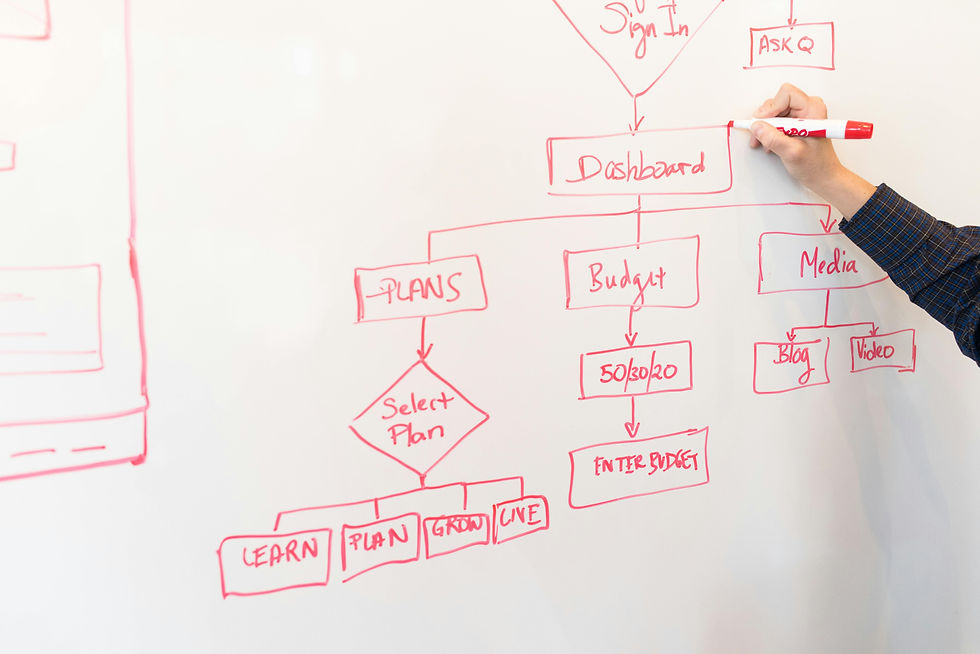
From Workarounds to Systems That Work
In poorly designed organizations, people rely on workarounds. They compensate for broken systems through extra effort. This leads to burnout, frustration, and inconsistency.
In well-designed organizations:
Systems support performance
Processes enable efficiency
Roles create clarity
Technology reduces friction
This is where cultural alignment becomes sustainable.
Practical Steps to Improve Architecture
Leaders can begin strengthening architecture with these steps:
1. Clarify Roles and Responsibilities
Ensure every role has clear ownership and accountability.
2. Streamline Decision-Making
Define who makes decisions and how they are made.
3. Redesign Meetings
Make meetings purposeful, efficient, and outcome-driven.
4. Align Performance Systems
Ensure metrics and rewards reflect desired behaviors.
5. Leverage Technology Effectively
Use tools to simplify work, not complicate it.
The Result: Scalable Performance
When architecture is aligned with intent and environment, organizations stop relying on individual heroics. They create systems that consistently produce results. This allows organizations to scale performance, adapt to change, and sustain success over time.Because in the end, culture is not just what people believe, it’s what the system enables them to do.
If your organization is ready to align systems with purpose and unlock sustainable performance, explore KeenAlignment’s Culture Transformation Consulting services. We help design the architecture that enables people and performance to thrive.